Early fibrotic niches establish tumour-permissive microenvironments
个人文献精读 Research Note,用于梳理论文证据链、图像逻辑、supplementary data 与可迁移研究思路。
Erik C. Cardoso; Hyeyoung Lee; Frances J. England; Hyunjin Cho; Robin Lu; Sagar S. Varankar; Moo Suk Park; Natasha Rekhtman; Bon-Kyoung Koo; Benjamin D. Simons; Jinwook Choi; Joo-Hyeon Lee
Nature 653, 254-263 (2026)
Open access, Creative Commons Attribution 4.0 International (CC BY 4.0); public note remains a low-resolution guide and does not republish raw source data.
Morgen · tomorgene.com
公开导读版:6 张低分辨率代表图 + 29 个 panel-group 占位/索引卡;robots noindex,nofollow。
一句话:早期 KrasG12D / EGFR-mutant AT2 细胞先进入 AREGhigh DATP-like 状态,再通过 EGFR 激活邻近成纤维细胞,继而重编程肺泡巨噬细胞,形成可逆但自增强的 tumour-permissive niche。
- 先读 Fig.1-2:早期 fibrotic fibroblasts 与 reprogrammed AMs 是否真实出现、何时出现、在哪里出现。
- 再读 Fig.3-4:DATP-like 上皮来源 AREG 是否是启动和维持 niche 的因果信号。
- 最后读 Fig.5 与 Extended Data:人源 LUAD / hAT2 organoid / EGFRL858R 模型是否保留同一条 circuit。
名词解释
这些术语按机制、模型和数据口径分组,目的是让读图时能直接回到 Fig.1-5 与 Source Data。
核心机制 读懂主图必备
真正的肿瘤块形成前,突变 AT2 细胞已经重塑周围基质、免疫和上皮信号,形成允许后续扩张的微环境。
不是单个细胞内突变,而是突变上皮、成纤维细胞和肺泡巨噬细胞之间的自增强生态位。
KrasG12D AT2 细胞进入 damage-associated transient progenitor-like 状态,表达 Sox9、Krt8、Itga2 和 Areg。
突变上皮分泌 amphiregulin,激活邻近成纤维细胞 EGFR,是本篇最核心的上皮-间质启动信号。
Pdgfrβ+ Runx1+ Tnc+ 成纤维细胞在肿瘤边界和核心附近出现,类似损伤修复但被肿瘤持续占用。
成纤维细胞来源 tenascin-C 通过巨噬细胞 TLR4 促进 AM 扩增和 Msr1+ 重编程。
保留 AM 标志但 MHC-II 下降、Msr1/Cxcl2/Cxcl16 等升高的巨噬细胞状态,连接免疫募集和免疫抑制。
DATP-like 上皮驱动 niche,niche 又维持 DATP-like 状态;MRTX1133 或 EGFR 阻断可逆转该循环。
早期 niche 还可逆,因此 AREG-EGFR / KRAS inhibition 提供在耐药性肿瘤形成前干预的窗口。
KRASG12D 和 EGFRL858R 模型都能诱导 Areg+ transitional AT2 与 fibrotic niche,提示 LUAD 亚型间的共同早期逻辑。
实验模型/场景 定位实验场景
Sftpc-CreERT2 驱动的 KrasG12D multicolour reporter,用于追踪突变 AT2 克隆和早期 niche。
对照 lineage tracing 背景,用来区分正常 homeostasis 与 KrasG12D oncogenesis。
alveolar type II cells,是本文的突变起始细胞和肺泡干细胞样细胞来源。
alveolar macrophages,本文强调 resident AM 而非单核细胞来源 macrophage 主导早期重编程。
居民肺泡成纤维细胞来源;通过 DTR depletion 和 co-culture 验证其早期 niche 必要性。
AT2-cell-specific Areg deletion 模型,用来证明突变上皮来源 Areg 是 niche 启动信号。
KRASG12D inhibitor;用于证明 DATP-like 状态和 niche 维持依赖持续 oncogenic signal。
EGFR inhibitor;在 organoid co-culture 和 in vivo 中阻断 fibroblast reprogramming 与 niche maintenance。
AM depletion 工具;验证 reprogrammed macrophages 对肿瘤扩张和免疫募集的功能贡献。
人源 AT2 organoid 平台,时间可控地表达 KRASG12D 并与人肺间质共培养。
补充模型说明 EGFR-mutant AT2 也能通过 Areg+ epithelial state 诱导 fibrotic/immune niche。
方法与数据口径 回到图注与 Source Data
用于定义 mesenchymal、immune、epithelial states;注意不同图中采样对象和 gating 不同。
提供状态发现和可视化,不等于因果证明;需结合 IF、depletion、inhibitor 和 co-culture。
用 ligand-receptor probability 提出 DATP-like to fibroblast 的 AREG-EGFR 轴和 fibroblast feedback candidates。
空间证据核心,验证 Pdgfrβ/Tnc/F4/80/Msr1/Areg/Sox9 等状态在肿瘤边界的邻近关系。
定量 AM、neutrophil、γδ T cell、MHC-II、Msr1 等免疫状态变化。
把上皮、fibroblast、AM 的方向性关系从组织相关性推向可操作的功能测试。
选择性去除 Pdgfrα lineage fibroblasts,用于证明 fibrotic fibroblasts 对 early tumour growth 和 immune niche 必要。
MOESM4 提供 Fig.1-5 和 ED controls 的统计数据;页面只做 compact index,不展开原始表格。
MOESM1 是 antibody list,支持方法复现但不是结果图。
MOESM3 只记录审稿历史,默认不进入科学证据链。
原文开放许可允许署名使用,但本站 public 仍只保留低清导读图和索引,不替代原文。
科学问题与总体模型
本文问的不是“肿瘤细胞是否影响微环境”,而是突变 AT2 细胞在 preneoplastic 阶段如何主动搭建一个允许自己扩张、去分化和免疫重塑的生态位。
KrasG12D 或 EGFRL858R 触发 AT2 cell state transition。
突变上皮进入 injury-like transitional state 并释放 AREG。
Pdgfrα+ fibroblasts 被诱导为 Pdgfrβ+Runx1+Tnc+ fibrotic state。
Fibrotic fibroblasts 通过 Tnc-TLR4 扩增并重编程 AMs。
AMs 和 fibroblasts 反过来维持 DATP-like epithelial plasticity。
Fig.1 · KrasG12D AT2 cells rapidly build fibrotic and immune early niches
证据角色建立早期 fibrotic + immune niche 的存在和功能起点。
Red2Kras 2-week window 已出现 Pdgfrβ+Runx1+ reprogrammed fibroblasts 和 Msr1+ / MHC-II-low reprogrammed AMs;clodronate depletion 缩小肿瘤,说明免疫 niche 有功能贡献。
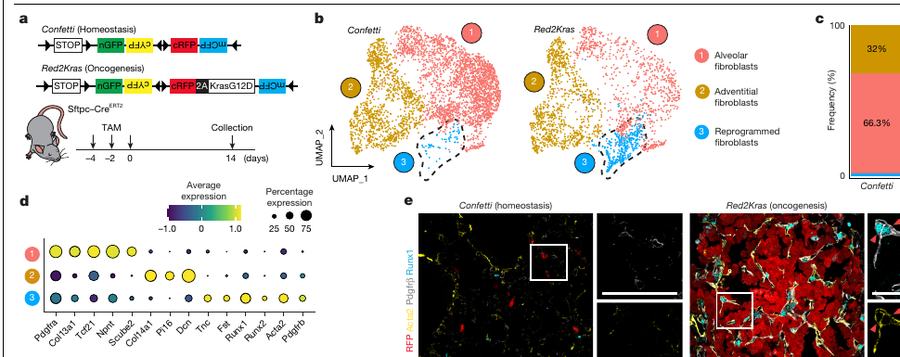
Fig.1a-d:用 Red2Kras lineage tracing 和 mesenchymal scRNA-seq 定义 reprogrammed fibroblasts。
读图要点:空间 IF 把 scRNA-seq 状态定位到 RFP+ mutant AT2 周围,而不只是 cluster annotation。
读图要点:macrophage subclustering 说明 immune niche 并非简单细胞数变化,而是状态重编程。
读图要点:MHC-II 下降和 SiglecF+CD64+ AM gating 是免疫抑制/重编程读出的关键。
读图要点:clodronate depletion 将 AM 变化推向功能必要性。
怎么看
- 先看 fibroblast 和 macrophage 的 cluster/state 是否只在 Red2Kras 早期出现。
- 再看空间 IF:状态是否贴近 RFP+ mutant AT2,而不是全肺均匀改变。
- 最后看 clodronate depletion,确认 AM remodeling 对 tumour growth 有功能贡献。
Fig.2 · Fibroblast remodelling precedes macrophage rewiring and creates a sequential niche circuit
证据角色把 Fig.1 的状态发现组织成时空顺序。
Pdgfrβ+Runx1+ fibroblasts 先贴近 nascent tumours,随后 Msr1+ AMs 和 Lcn2+ inflammatory fibroblasts 出现在边界区,形成空间和时间层级。
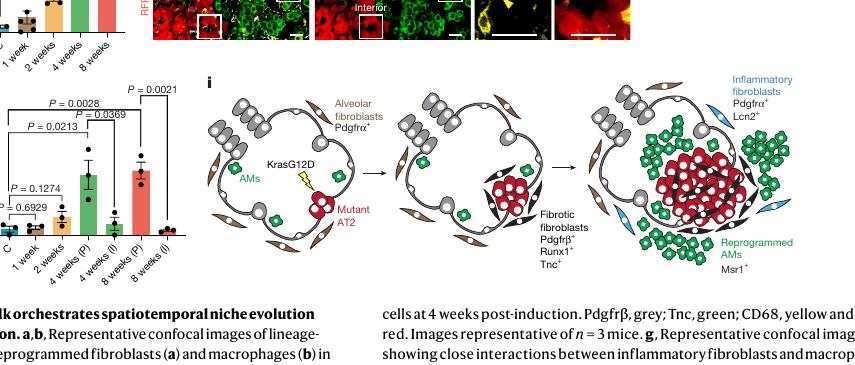
Fig.2h-i:把 fibrotic fibroblast、AM 和 inflammatory fibroblast 串成 sequential niche model。
读图要点:成纤维细胞先出现,巨噬细胞重编程随后增强,时间顺序是读图重点。
读图要点:定量把 1w、2w、4w、8w 的 transition 从视觉现象转成统计证据。
读图要点:Tnc+ fibrotic fibroblasts 与 macrophages 近邻,Lcn2+ fibroblasts 偏向 tumour periphery。
怎么看
- 时间顺序是本图关键:fibrotic fibroblasts 早于大规模 macrophage rewiring。
- periphery/interior 的 Lcn2+ fibroblast 读图点说明 late inflammatory component 和 fibrotic core 不同。
- 示意图不是独立结论,而是对 a-h 的时空证据压缩。
Fig.3 · DATP-like mutant cells use AREG-EGFR signalling to drive and maintain niche remodelling
证据角色从相关性推进到上皮来源 AREG-EGFR 信号和可逆性。
DATP-like Red2Kras cells express Areg;gefitinib blocks fibroblast-dependent AM reprogramming;MRTX1133 reduces DATP-like states and reverses fibrotic/macrophage niche.
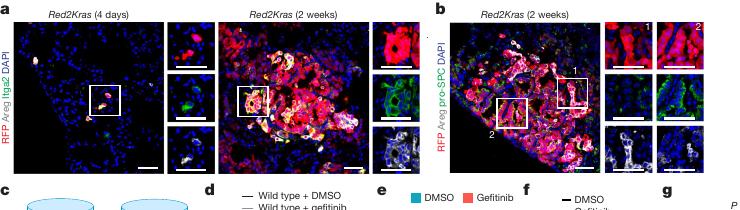
Fig.3a-b:Areg protein appears in DATP-like mutant cells early and persists during expansion。
读图要点:co-culture separates direct tumour effects from fibroblast-mediated macrophage phenotype effects。
读图要点:KRASG12D inhibition tests whether DATP-like state is sustained by ongoing oncogenic signal。
读图要点:niche reversal links epithelial state, fibrotic fibroblasts and AM reprogramming into one dependency loop。
怎么看
- Areg expression 把 DATP-like mutant cells 变成候选 signal source。
- gefitinib 的价值在于拆解 fibroblast-mediated AM phenotype,而不只是降低一个终点 marker。
- MRTX1133 同时压低 DATP-like state 和 niche markers,说明 circuit 需要持续 oncogenic input。
Fig.4 · Genetic Areg loss blocks fibrotic and immune niche assembly in vivo
证据角色核心因果图:把 Areg 从候选 ligand 变成必要启动因子。
AT2-specific Areg deletion reduces tumour area, reprogrammed fibroblasts, Msr1+ AMs and DATP-like epithelial states, making Areg the initiating epithelial signal.
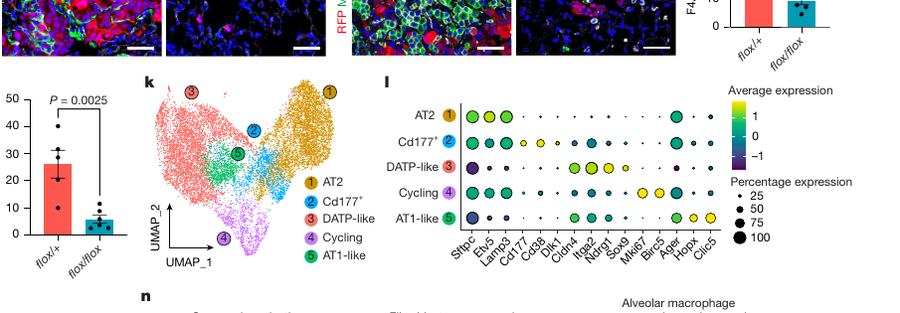
Fig.4g-j:Areg deletion diminishes Tnc+Pdgfrβ+ fibroblasts and Msr1+ macrophages。
读图要点:tumour burden reduction makes Areg deletion more than a marker change。
读图要点:fibroblast scRNA-seq state shift validates mesenchymal reprogramming at population level。
读图要点:epithelial state changes close the reciprocal feedback loop。
怎么看
- Areg deletion 是核心因果图,要把 tumour burden、fibroblast state、AM state 和 epithelial state 一起读。
- 如果只看 RFP+ area,会漏掉这张图真正证明的 niche assembly cascade。
- Fig.4n 将 AREG 放在 hierarchical cascade 的最上游,但这个位置来自前面多层 readout。
Fig.5 · Human LUAD and inducible hAT2 organoids preserve the AREG-EGFR fibrotic-niche circuit
证据角色把小鼠早期 niche 机制连接到人源组织和 organoid 平台。
早期 KRASG12D LUAD 中 KRT8+AREG+ DATP-like cells 与 ACTA2/RUNX1/CTHRC1 fibroblasts 共现;KRASG12D hAT2 organoids 诱导 PDGFRβ+ fibroblasts,gefitinib 可阻断。
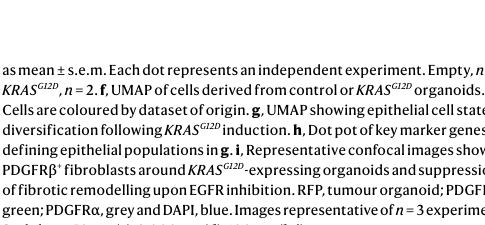
Fig.5i:human KRASG12D hAT2 organoid-induced fibroblast response is blocked by gefitinib。
读图要点:human tissue spatial IF tests whether mouse mechanism appears in early human LUAD。
读图要点:inducible hAT2 system provides a controllable model for temporal KRAS activation。
读图要点:gefitinib turns the conserved circuit into an intervention point。
怎么看
- human tissue IF 先证明结构相似性,organoid 系统再提供可控扰动平台。
- KRASG12D hAT2 organoids 不是简单增殖模型,而是出现 AREGhigh transitional states。
- gefitinib 在 human co-culture 中阻断 PDGFRβ+ fibroblast response,是 translational bridge。
Extended Data 精读:代表截图与证据索引
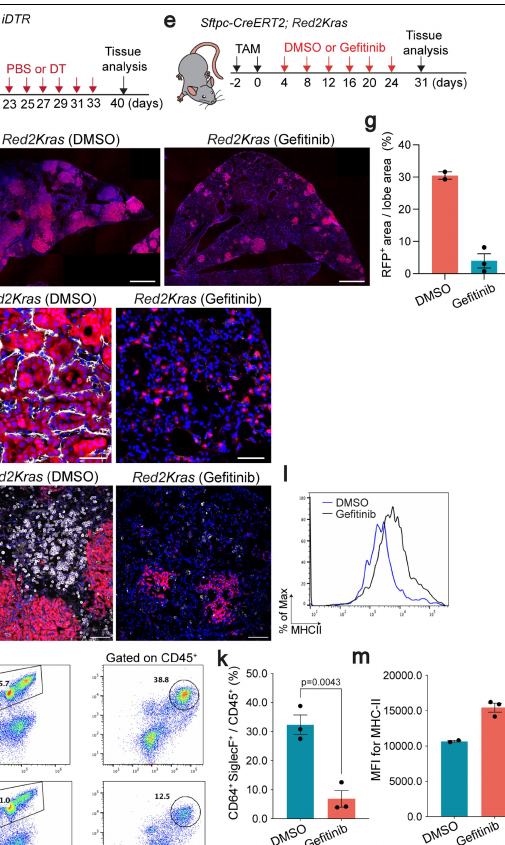
Extended Data Fig.8e-m:gefitinib disrupts tumour burden, fibrotic niche and AM remodelling in vivo。
读图要点:mesenchymal gating、fibroblast state discovery and injury-like overlap。
读图要点:immune landscape, T-reg/CD8/neutrophil/gamma-delta T cell context。
读图要点:resident AM origin and clodronate-dependent recruitment controls。
读图要点:Tnc-TLR4 macrophage reprogramming and Lcn2+ inflammatory fibroblast controls。
读图要点:CellChat ligand-receptor map and fibroblast feedback signals。
读图要点:AREG selectively reprograms fibroblasts and gefitinib blocks organoid-fibroblast response。
读图要点:AREG/EREG tri-culture and fibroblast-dependent DATP-state maintenance。
读图要点:fibroblast depletion and in vivo EGFR inhibition controls。
读图要点:Areg deletion mesenchymal scRNA-seq and fibroblast marker validation。
读图要点:Areg deletion immune scRNA-seq and AM/neutrophil expression shifts。
读图要点:human early-stage LUAD epithelial and fibrotic niche conservation。
读图要点:EGFRL858R-mutant AT2 organoid niche construction model。
读图要点:antibody list 支撑方法复现;公开版只在 Source Data 地图中索引,不作为结果图展示。
Source Data / Supplementary Tables 索引
本节是 reproducibility map,不复制原始 workbook,也不把 Supplementary Table 截图当正文结果图。
stromal/immune cell proportions, macrophage flow cytometry and clodronate tumour-size readout
GO terms and mesenchymal-state controls
Supplementary Table 1 antibody list; used for methods reproducibility, not result-figure reading
主图 Source Data workbook · 5 main-figure sheets
- Fig.1
stromal/immune cell proportions, macrophage flow cytometry and clodronate tumour-size readout
- Fig.2
time-course niche quantification and inflammatory fibroblast periphery/interior readouts
- Fig.3
gefitinib co-culture, MRTX1133 epithelial state and niche reversal quantifications
- Fig.4
Areg deletion tumour burden, fibroblast proportion, macrophage and epithelial state metrics
- Fig.5
KRAS expression in inducible hAT2 organoids
Extended Data Source Data workbook · 7 Extended Data sheets
- Extended Data Fig.1
GO terms and mesenchymal-state controls
- Extended Data Fig.2
immune-cell composition, neutrophil and gamma-delta T quantification
- Extended Data Fig.3
resident AM origin and clodronate immune recruitment controls
- Extended Data Fig.4
Tnc/TLR4 macrophage reprogramming and inflammatory fibroblast controls
- Extended Data Fig.6
AREG selectivity and organoid-fibroblast response
- Extended Data Fig.7
AREG/EREG tri-culture and epithelial state maintenance
- Extended Data Fig.8
fibroblast depletion and EGFR inhibition in vivo
Supplementary / provenance files · 1 Supplementary PDF + 1 peer-review PDF + 3 provenance crops
- MOESM1
Supplementary Table 1 antibody list; used for methods reproducibility, not result-figure reading
- MOESM3
peer-review history; excluded from scientific evidence chain by default
- Supplementary table crops
three local provenance PNGs generated from MOESM1; not rendered as result figures in the HTML body
总结与延伸
创新点
- 把 LUAD initiation 的关键窗口前移到可见肿瘤块之前的 epithelial-stromal-immune circuit。
- 用 lineage tracing、scRNA-seq、空间 IF、co-culture、depletion、genetic deletion 和 inhibitor 形成递进证据链。
- 把 AREG-EGFR 放在一个可干预的 early niche hierarchy 中,而不只是作为 bulk expression marker。
可复用研究设计
- 先做时间和空间定位,再做 co-culture / depletion / genetic deletion,可以避免只凭单细胞通信推断因果。
- 把 human tissue、human organoid 和 mouse genetics 互相校准,是跨物种机制论文的可复用结构。
- source-data workbook 按 figure sheet 组织,适合复核每个统计 readout 的 n、条件和图号。
批判性问题
- AREG-EGFR 是否是所有 LUAD preneoplastic niches 的共同入口,仍需要更多 mutation/background 和患者队列验证。
- fibrotic fibroblast 与 inflammatory fibroblast 的 lineage relationship 仍主要来自状态和时间推断,后续可用更直接 fate mapping。
- EGFR inhibition 的预防窗口、毒性和患者选择标准仍是 translational 层面的开放问题。
不足、风险与开放问题
- AREG-EGFR 是否是不同突变背景和不同患者队列的共同 early-niche entry point,还需要更多外部队列、纵向样本和扰动模型验证。
- fibrotic fibroblast 与 inflammatory fibroblast 的 lineage relationship 仍主要来自状态、时间和空间证据,后续仍可用更直接的 fate mapping 或 perturbation 验证。
- EGFR/KRAS inhibition 的 interception window、毒性和患者选择标准属于转化层面的开放问题,不能从早期模型直接外推为临床预防策略。